
Why Mechanics Need Specialist Automotive Air Conditioning Training
Training & Education
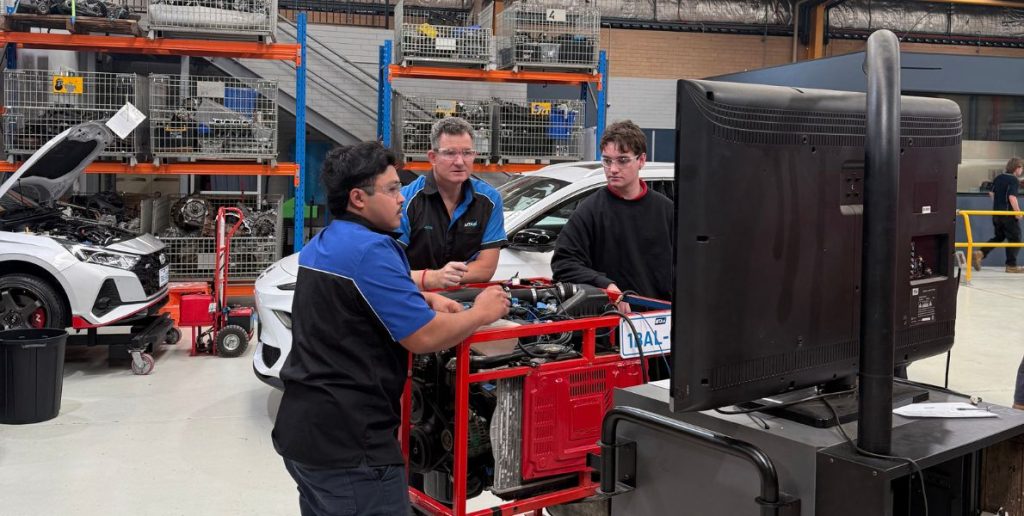
Why Mechanics Need to Upskill with Specialist Air Conditioning Training
Quick Takeaways: Why Upskill in Automotive Air Conditioning?
- Meet modern vehicle demands: Today’s automotive air conditioning systems use advanced components, electronics and refrigerant technologies that require specialist knowledge.
- Build specialist skills: Training helps technicians develop the practical skills to diagnose, service and repair vehicle air conditioning systems.
- Support compliance: Specialist training can help technicians meet the knowledge and licensing requirements associated with automotive refrigerant handling.
- Improve workshop capability: Qualified technicians can expand their air-conditioning service offerings, reduce reliance on subcontractors, and improve turnaround times.
- Prepare for new technology: Hybrid and electric vehicles are introducing increasingly advanced thermal management and climate control systems.
- Protect customers and the environment: Correct refrigerant handling, leak detection, recovery, and servicing practices support safety, system performance, and environmental responsibility.
With vehicle technology evolving rapidly, automotive air conditioning is no longer a simple comfort feature. Modern vehicle air conditioning systems are increasingly sophisticated, with electronic controls, sensors, advanced HVAC components and evolving refrigerant technologies all playing a role in how the system operates.
For today’s automotive technician, understanding how an air conditioning system works is becoming an increasingly valuable skill. From diagnosing refrigerant leaks and restoring cooling performance to servicing complex climate-control components, specialist training can help mechanics expand their knowledge and confidently work on modern car air-conditioning systems.
Why is automotive air conditioning training important?
Automotive air conditioning training helps technicians develop the skills required to safely diagnose, service, and repair vehicle air conditioning systems, and to understand the proper processes for handling refrigerant.
This is important because modern systems involve more than simply producing cold air through the vents. Technicians may need to assess refrigerant levels, system pressure, electrical controls, moving parts and other key components that influence overall system performance.
For workshops, investing in specialist air-conditioning skills can also create opportunities to expand services, reduce the need to outsource work, and provide a more complete service to customers.
Modern car air conditioning systems are more complex than ever
Gone are the days when car air conditioning was simply a matter of cooling the passenger compartment.
Modern car air conditioning systems can incorporate electronic sensors, climate control modules, variable-displacement compressors, and sophisticated diagnostic processes. The entire system needs to operate correctly to maintain the desired cabin temperature, manage humidity and deliver consistent cooling performance.
A fault in one component can affect the performance of the entire system.
This means automotive technicians need a stronger understanding of how components interact, including the:
- Compressor
- Condenser
- Evaporator
- Refrigerant
- Receiver driers or accumulator, depending on system design
- Pressure and temperature controls
- Associated electrical components and HVAC systems
- Expansion devices
Without the right knowledge and diagnostic skills, faults can be difficult to identify accurately. This can lead to unnecessary parts being replaced, increased workshop time and a frustrating experience for customers.
How does a vehicle air conditioning system work?
At its most basic level, vehicle air conditioning works by moving refrigerant through a refrigeration cycle to remove heat from the cabin and release it outside the vehicle.
The process generally involves several key components working together.
The compressor helps move refrigerant through the system. As refrigerant flow continues, the refrigerant passes through components including the condenser and, depending on the design, an expansion device such as an orifice tube or expansion valve.
As the refrigerant changes state and moves through the refrigeration cycle, heat is transferred out of the passenger compartment. The evaporator absorbs heat from the surrounding air, helping deliver cool air through the vehicle’s vents.
The process may sound straightforward, but maintaining correct refrigerant levels, pressure and refrigerant flow is critical to system performance. Moisture, contamination, refrigerant leaks or faults with electrical and mechanical components can all affect how effectively an air conditioner operates.
Understanding this process gives technicians a stronger foundation for diagnosing faults and restoring cooling performance.
Automotive air conditioning licensing and compliance matters
Working on vehicle air conditioning systems is not just about technical competence. It also comes with important legal, environmental and safety responsibilities.
In Australia, refrigerant handling is regulated, and the licence required depends on the type of work being carried out. The Australian Refrigeration Council lists the AAC02 Automotive Air Conditioning Licence as the licence for qualified persons working on air conditioning and refrigeration equipment fitted to the cabin of a motor vehicle and handling refrigerant.
The Australian Automotive Code of Practice also sets minimum standards for the servicing and repair of motor vehicle air conditioners, including procedures designed to control refrigerant emissions. Only appropriately licensed service persons, or trainees working under the required supervision, may carry out relevant service and repair work.
For automotive technicians looking to gain the appropriate qualification, specialist training can provide the education and practical skills needed to work towards an Automotive Air Conditioning Licence.
Protecting the environment through correct refrigerant handling
Refrigerant handling is also an important environmental responsibility.
Incorrect servicing, poor recovery practices and preventable refrigerant leaks can result in refrigerant being released into the atmosphere. Correct procedures for recovery, diagnosis, repair and recharging are therefore an important part of professional automotive air conditioning service.
Specialist training helps technicians understand the correct procedures for working with refrigerant and safely maintaining vehicle air conditioning systems.
This includes developing knowledge around:
- Identifying refrigerant leaks
- Checking system performance
- Recovering and handling refrigerant correctly
- Diagnosing faults before recharging a system
- Following appropriate manufacturer procedures
- Maintaining safety when working with different refrigerants and system designs
As refrigerant technology continues to evolve, staying current with industry practices will become increasingly important.
More advanced vehicle technology requires new skills
The automotive industry continues to change, particularly as hybrid and electric vehicles become a larger share of the vehicle fleet.
These vehicles can incorporate more advanced thermal management and climate control technology. Heating, cooling and cabin comfort can be connected to broader vehicle efficiency and energy management considerations.
Automotive technicians therefore need to continue building their skills as new technology enters workshops.
Emerging automotive refrigerants, including R1234yf and R744, also bring changes to equipment, working practices, component standards and workplace safety considerations. The Australian Refrigeration Council notes that these changes can affect how technicians approach repair, service and refrigerant recovery.
For mechanics, ongoing education can help build the knowledge needed to understand new systems and adapt confidently as vehicle technology evolves.
Specialist air conditioning training can create new workshop opportunities
For many workshops, automotive air conditioning services represent an opportunity to provide a more complete service to customers.
Most drivers expect their vehicle aircon to work reliably, particularly during hot weather. When an air conditioning system stops producing cold air, makes unusual noises, or suffers a loss of cooling performance, many drivers will look to their regular mechanic for help.
Having appropriately qualified technicians with specialist skills can help workshops:
- Expand their automotive air conditioning service offering
- Diagnose faults more accurately
- Reduce the need to subcontract certain repairs
- Improve turnaround times
- Build customer confidence
- Create additional employment and skills development opportunities
- Provide a more complete service across a wider range of vehicles
Depending on their qualifications, licence and the work being undertaken, technicians may be able to service and diagnose automotive air conditioning and HVAC systems across light vehicles, heavy commercial vehicles, mobile plant and agricultural equipment. MTA WA’s AUR20220 course is designed around developing skills relevant to these sectors.
What are common signs a car air conditioning system may need attention?
While proper diagnosis should always be carried out by a suitably qualified technician, customers may seek assistance when they notice issues such as:
- Reduced cooling performance
- Warm air coming through the vents
- Unusual noises when the air conditioning is operating
- Inconsistent cabin temperature
- Visible signs of refrigerant leaks
- Poor airflow into the cabin
- An air conditioner that does not operate as expected
- Warning lights on the dashboard, or unusually long charging times while plugged in
These symptoms do not necessarily point to one specific fault. The problem could involve refrigerant levels, the compressor, electrical controls, filters, drain lines or other components within the entire system.
This is where strong diagnostic knowledge becomes particularly important. Rather than simply replacing components, technicians need to follow a logical process to identify the cause of the issue and determine the appropriate repair.
Investing in skills that add long-term value
Specialist automotive air-conditioning training offers benefits beyond simply obtaining a qualification.
For technicians, it can help build confidence, improve diagnostic skills and expand employment opportunities. For workshops, it can support a broader service offering and reduce reliance on external providers.
MTA WA’s AUR20220 Certificate II in Automotive Air Conditioning Technology is designed for automotive employees and suitably skilled learners seeking to develop the knowledge and skills required to service and repair automotive air conditioning and HVAC systems. The course includes specialist air conditioning units covering servicing, diagnosing and repairing components, as well as retrofitting automotive air conditioning and HVAC systems. Completion of the full qualification requires achievement of all 13 required units, with pathways available through credit transfer and/or recognition of prior learning where applicable.
Looking to become qualified in automotive air conditioning?
If you’re an automotive technician looking to build your skills in vehicle air conditioning systems, MTA WA’s AUR20220 Certificate II in Automotive Air Conditioning Technology can help you develop practical knowledge across automotive air conditioning service, diagnosis and repair.
The course is designed for qualified automotive technicians, suitably skilled learners currently working in the automotive industry, and eligible third or fourth-year apprentices. Learners must hold the required trainee refrigerant-handling licence before attending the specialist air-conditioning training component.
Explore the AUR20220 Certificate II in Automotive Air Conditioning Technology at MTA WA
Enquire with MTA WA Training to find out more about eligibility, upcoming course dates and enrolment.